

Seasonal allergy season can be frustrating—not only for your eyes and sinuses, but also for your skin. Many clients notice that in spring their face suddenly feels tighter, itchier, and more reactive. This makes sense: allergy season often arrives right after winter, when skin is already dried out by cold weather, wind, and indoor heating. When the barrier is dehydrated, skin is more likely to feel itchy, prickly, and reactive—even if you don’t normally have “sensitive skin.”
Why allergies show up on your face
When pollen levels rise, your immune system becomes more active. That can increase inflammation throughout the body, including the skin. Add in frequent rubbing (especially around the eyes and nose) and you get a perfect storm: more friction, more irritation, and a barrier that struggles to hold onto water.
Common signs we see:
- itchy, watery eyes with redness around the eye area
- reactive cheeks (warmth/flushing)
- tightness, rough patches, or a “sandpapery” feel
- itchiness that comes and goes through the day
Antihistamines and dry skin: what’s the connection?
Antihistamines can be a lifesaver for allergy symptoms, but a common side effect is dryness. Many antihistamines dry out mucous membranes—and for some people that also translates to drier, more easily irritated facial skin. If your skin barrier is already compromised after winter, antihistamines can amplify that “tight + itchy” feeling.
Calm skin from the inside out
During allergy season, the simplest supportive habits make a visible difference:
- Drink more water (especially if you’re taking antihistamines). Think “steady sips” across the day rather than one big amount at night.
- Increase good fats to support barrier lipids: omega-3 rich foods like salmon, sardines, walnuts, chia/flax seeds, or a quality omega supplement if appropriate for you.
- Prioritise sleep and stress reduction when possible—reactive skin is often stressed-skin.
What to do topically: hydrate, protect, don’t overdo it
Allergy season is not the time to experiment with strong actives. If you’re flaring, the goal is comfort + barrier repair.
Look for hydrating, soothing ingredients like glycerin, panthenol, hyaluronic acid, betaine, ceramides, squalane, oat, or centella. Keep cleansing gentle and short-contact (20–30 seconds) with lukewarm water.
If you have a flare-up:
Stick to your routine
Don’t add new actives (acids, retinoids, strong vitamin C, scrubs) until the skin is calm again.
Add Clinisoothe for reactive moments
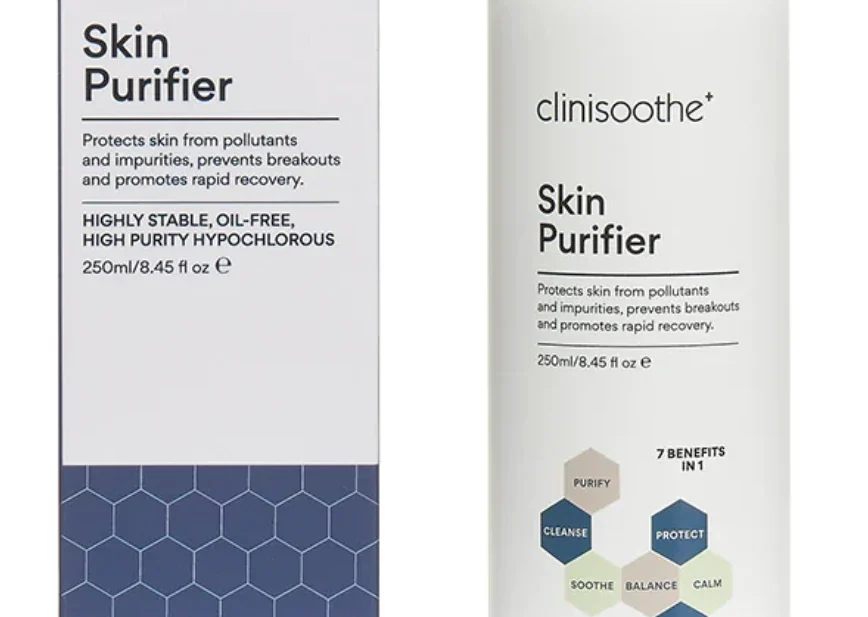
Clinisoothe is a great support step during allergy season because it helps keep the skin feeling clean and calm—especially if you’ve been outside, sweating, rubbing your face, or noticing little irritation bumps. Use it after cleansing, let it dry, then continue with your usual hydrating steps.
If your skin is flaring and you’re unsure what to adjust, message us for a quick consult. We’ll help you keep your routine minimal, protective, and comfortable until allergy season passes.
Questions or curious which treatments fit your skin right now?
Contact us via email info@aspadirect.com or WhatsApp 0651137656 for a brief consult—we’ll map a plan that fits your season, your skin, and your schedule.