

WHAT REALLY HAPPENS TO OUR COLLAGEN, AND HOW TO SUPPORT IT.
It’s actually from around your mid-twenties that collagen production naturally starts to drop off. By the time most people reach their forties, those changes become more noticeable, with skin gradually becoming thinner, less firm and slower to repair.
Whilst we’re not here to try and stop the ageing process, you can support the skin’s natural ability to produce collagen, and here’s how.
Think of collagen as your skin’s support system. It’s the protein responsible for keeping skin firm, smooth and resilient. As levels decline, you probably start to notice fine lines, a loss of elasticity, maybe texture changes, and skin that just doesn’t feel quite as bouncy as it used to.
Remember this:
The best treatments don’t replace collagen artificially, they encourage your skin to make more of its own.
SkinPen Microneedling Facial
Amazing for boosting natural collagen production, it creates controlled micro-channels in the skin to stimulate a healing response, improving texture, tone and overall skin quality.
T-Shape Full Rejuvination Facial
Combines cold laser with radiofrequency heat energy to stimulate collagen deeper within the skin, helping improve firmness and tighten areas that are also beginning to lose definition.
AT HOME SKINCARE
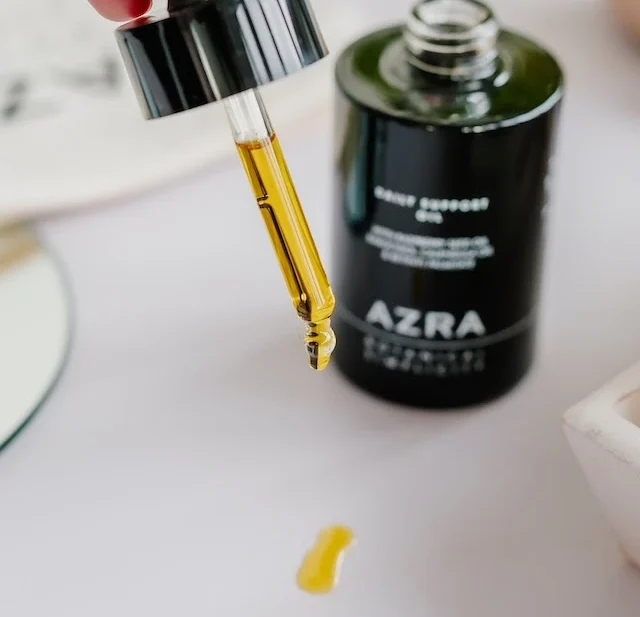
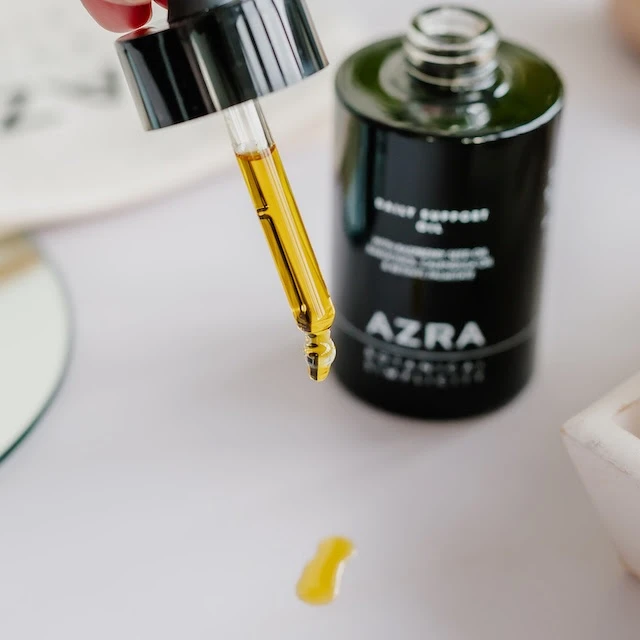
One of the most researched skincare ingredients for supporting collagen production and improving skin renewal over time is retinyl palmitate. In our Daily Support Oil this is the main ingredient and together with Bakuchiol it targets dryness, redness, fine lines, hyperpigmentation.
COLLAGEN FROM THE INSIDE: WHAT TO EAT
Great skin isn’t only about what you apply, it’s also about what you eat. Collagen synthesis is a nutrient-dependent process, so your plate plays a real role alongside your skincare routine and your in-clinic treatments.
Vitamin C is essential; it’s required to convert pro-collagen into collagen, so citrus, berries, bell peppers and kiwi genuinely earn their place on your plate.
Amino acids — proline, lysine and glycine — are the actual building blocks of collagen. You’ll find them in eggs, legumes, bone broth, and lean proteins like chicken and fish.
Zinc and copper act as cofactors, helping the enzymes that build collagen do their job. Think pumpkin seeds, cashews, oysters and wholegrains.
Antioxidants — carotenoids from carrots and sweet potato, polyphenols from berries and green tea — protect the collagen you already have from oxidative breakdown.
And one to limit: excess sugar and refined carbohydrates trigger glycation, where sugar molecules attach to collagen fibres and make them stiff and brittle. So that afternoon pastry may be doing more to your skin than your waistline.
The bottom line: consistency — on your skin, in the clinic, and on your plate — is what actually moves the needle.